

I still remember the first time someone put a rough black opal gemstone in my hand. I had no idea what it was worth. That one stone is the reason I ended up sourcing gemstones directly from mines for the last seven years.
I started small. Just an offline store, a table of stones, and a lot of questions I couldn't answer yet. Somewhere along the way I learned everything the hard way, including a lot about the black opal gemstone, which is still one of the most asked-about stones we sell today.
So this is not copied from some other website. This is what I actually tell people when they message us asking if their stone is real, or whether they should even buy one in the first place.
What Actually Makes It a Black Opal Gemstone
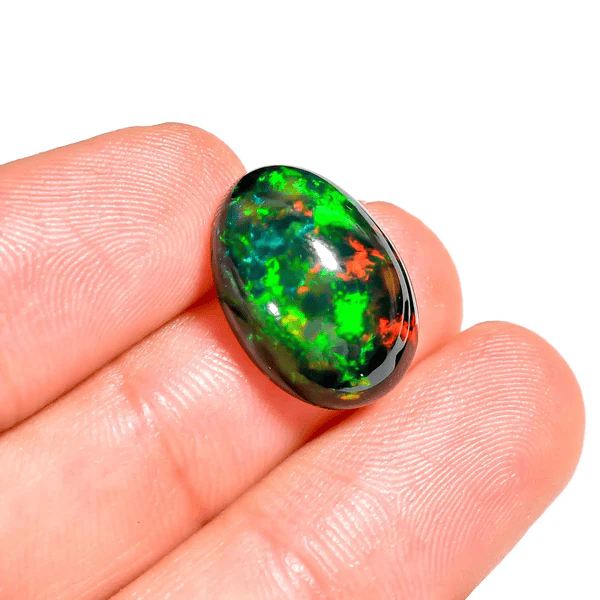
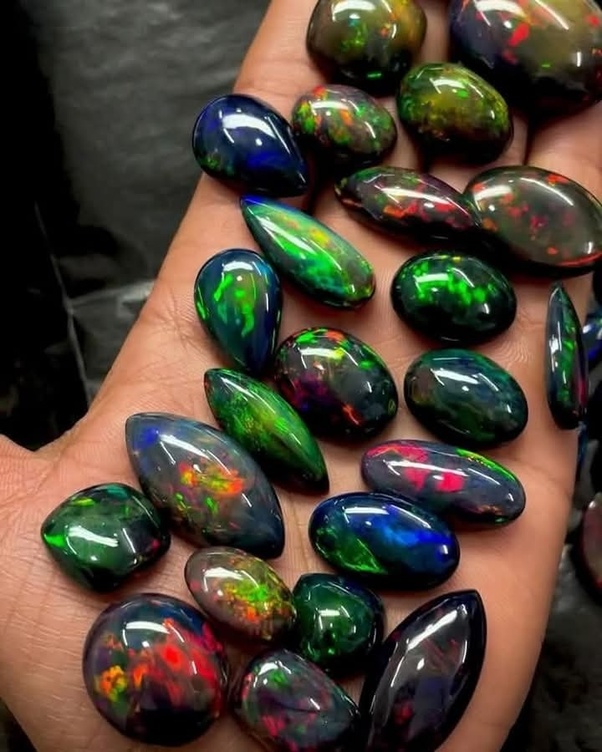
Here's the part most people get wrong straight away. A black opal gemstone isn't black all over. The base of the stone is dark — charcoal, deep grey, sometimes close to black — and it's that dark base which makes everything else about the stone stand out.
Inside that dark base you get flashes of color. Red, green, blue, sometimes three or four colors moving at once when you tilt the stone under light. Put that exact same flash of color on a white opal and it looks nice. Put it on a black opal gemstone and it looks completely different — brighter, deeper, almost like it's glowing from inside.
That contrast between the dark body and the bright color flash is the entire reason this stone is valued the way it is. It's not really about the "black," it's about what the black does to everything sitting on top of it.
Why Ethiopian Origin Matters
Most of what we source and sell comes from Ethiopia, specifically a region called Welo. This wasn't always common knowledge. For a long time, black opal basically meant Australian opal in most people's minds, mined from a place called Lightning Ridge. Ethiopian opal only really started showing up in the market in a bigger way over the last couple of decades.
When I first started buying stones directly rather than through resellers, I honestly didn't know Ethiopia even had opal deposits. I made a wrong purchase early on simply because I didn't know enough about what I was looking at. That mistake taught me more than any guide could have, and it's part of why I now check every single stone myself before it goes up for sale.
"Hydrophane isn't damage. The stone just needs a day or two to dry out and return to normal."
One thing about Ethiopian black opal gemstone material that every buyer should know before purchasing: it's hydrophane. That means the stone has tiny pores and can absorb a small amount of water. If it gets wet, it might look slightly cloudy or a bit different for a while. This is not damage. I get messages fairly often from buyers convinced something is wrong with their stone, when really it just needs time to dry out naturally.
This porous nature is also why Ethiopian opal is a bit different to cut and set compared to Australian opal. Jewelers who work with it need to be a little more careful during the setting process, since heat and pressure affect it slightly differently.
Why This Stone Is Becoming More Popular
There's a personal reason I care about this stone too, beyond the business side of things. I was recommended to wear opal for personal reasons a long time ago, and I actually felt a difference after wearing it. I can't fully explain that in scientific terms, but it's part of why I don't sell this stone like it's just another product on a shelf. It's part of why I started this whole business in the first place.
How I Check If a Black Opal Gemstone Is Authentic
After years of doing this, here's what I actually rely on — not textbook advice, just what works.
Raw Stone or Cabochon, Which One Do You Need
This really depends on what you're doing with it. If you're a collector, or a lapidary who enjoys cutting and shaping stones yourself, go for the rough, uncut material. If you want something ready to set into a ring, pendant, or earrings, a cabochon is already cut and polished for exactly that purpose.
I get asked a lot which one holds value better. Honestly, it depends on the buyer, not the stone. Rough material appeals to people who enjoy the process of shaping something themselves. Cabochons appeal to people who want to wear or gift the stone without extra work.
Taking Care of Your Stone
None of this is complicated. Avoid leaving the stone soaking in water for long periods, especially with Ethiopian material, since it can cloud up temporarily. Keep it away from sudden hot-to-cold temperature changes, which over time can cause tiny surface cracks, something jewelers call crazing. A soft, dry cloth is really all you need to keep it clean day to day.
If you're storing multiple stones together, keep them separate from harder gemstones like diamonds or sapphires. Opal is softer than most gemstones, and it can scratch if it rubs against something harder while sitting in a box or pouch.
Buying It as a Gift
A lot of our customers actually buy black opal gemstone jewelry as a gift, often for birthdays. If you're buying for someone born in October, opal happens to be a traditional birthstone for that month, which makes it a meaningful choice beyond just how it looks. I get quite a few customers specifically looking for this reason, and it always makes the purchase feel a bit more personal.
Questions People Ask Us Most Often
Q. Is black opal a real, natural gemstone?
Yes. It comes straight out of the ground, mainly from Australia and Ethiopia, and it's chemically the same hydrated silica as every other type of opal.
Q. Is Ethiopian black opal gemstone material treated with anything?
Ours isn't. It's sold natural, exactly as it comes out of the mine. If a seller tells you their stone has been treated, ask them to explain exactly what was done and why.
Q. Why is Ethiopian black opal usually cheaper than Australian black opal?
It comes down to geology and mining scale, not quality. I've personally handled Ethiopian pieces with color play strong enough to rival expensive Australian stones.
Q. Can a black opal gemstone get wet?
Brief contact is completely fine. Just avoid leaving it soaking in water for hours at a time.
Q. What's the difference between rough opal and a cabochon?
Rough opal is uncut, straight from the mine. A cabochon has already been shaped and polished, ready to be set into jewelry.
Every black opal gemstone we sell is sourced directly from Welo region mines — no resellers, no guesswork.